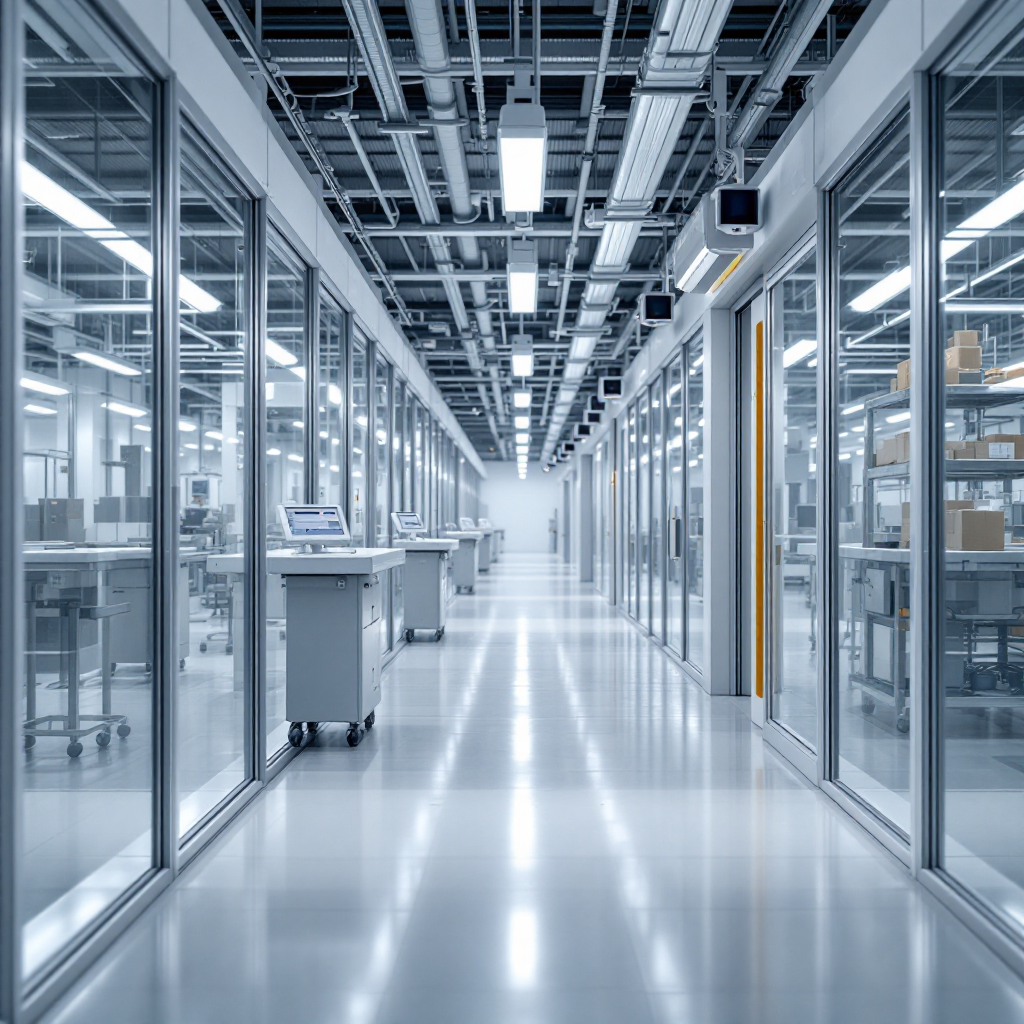
Conflict of interest: Legal and Ethical Boundaries in AI Monitoring
Conflict of interest matters when operators, AI vendors and regulators interact in a slaughter setting. First, slaughterhouse managers set operating procedures. Second, AI vendors supply software and sensors. Third, regulators define legal limits and inspect compliance. The three roles must stay distinct, and transparency must remain clear. For example, when a vendor also audits compliance, reviewers should flag potential conflict of interest and recuse where needed. This helps protect animal welfare and worker rights, and it reduces legal exposure for all parties.
AI now monitors behaviour, and AI can make rapid assessments that matter. Still, the use of AI must respect privacy and labour law. Workers face surveillance risks when cameras and sensors run 24/7. Therefore facilities should publish clear policies and show how video data stays local. Visionplatform.ai advises on on-prem processing and customer-controlled datasets so data does not leave the site. This approach supports GDPR compliance and aligns with the EU AI Act principles. In addition, independent oversight layers must exist. An external auditor or a third-party reviewer should sample alerts and verify the human judgement behind enforcement actions. This limits bias and reduces the risk that staff face unfair discipline based on algorithmic errors.
Liability also matters. Courts are still adapting to machines that influence human activities. As a result, operators and vendors should define contractual liability and maintain auditable logs. The Boston University study notes the law must adapt to new AI responsibilities, and that legal standards should follow clear documentation and human review protocols (negligence and AI’s human users). In practice, a farm or plant should adopt layered accountability. First, deploy transparent AI models. Second, require human sign-off on critical interventions. Third, keep full event logs for audits and appeals. These steps protect animal welfare and reduce regulatory risk, and they create a defensible record for investigators and courts.
Finally, ethics boards and worker representatives must join policy design. For example, an ethical review might combine animal ethics experts and union reps. This ensures standards balance welfare, safety and worker privacy. Also, training programs should explain how the AI system works and how alerts translate into actions. That way, staff understand the role of sensors, and staff can trust the monitoring system. This trust supports better outcomes for animal health and welfare, and it strengthens compliance with the law.
AI technologies at the Slaughterhouse: Sensors and Vision for Behaviour Detection
AI technologies change how facilities monitor handling on the line, and sensors form the foundation. High-speed cameras capture motion. Depth sensors map posture and distance. Thermal imaging highlights stress and elevated temperature. Together these sensors provide complementary views for robust detection. For instance, combining a camera feed and depth sensing helps distinguish normal movement from improper restraint. In practice, a SLaughterhouse sets up sensors along key choke points, and the system watches for predefined breach patterns.
Computer vision models then process the streams, and models run on the edge for low latency. Convolutional neural network architectures and neural methods power posture and force detection. For example, a convolutional neural network can classify hand positions and restraint technique, and neural networks can measure motion vectors to estimate force. These models rely on labeled footage and a validated dataset to reduce false alarms. In trials AI models exceeded 90% accuracy in flagging excessive force and incorrect restraint techniques (AI deception: a survey), and systems processed real-time alerts that led to rapid correction of handling errors.
Real-time alerting makes the difference. When the AI system spots a breach the system sends a notification. Supervisors then get a short video clip and a suggested classification. This combination improves confidence, and human operators can validate and act. Visionplatform.ai integrates with VMS and streams events via MQTT so alerts feed dashboards and operations workflows. Also, keeping processing on-prem reduces data exfiltration risks. Facilities can therefore operationalize cameras as sensors, and use those events to drive KPIs and safety metrics.
Finally, imaging quality and calibration matter. Low light or reflective surfaces can degrade detection. Therefore facilities must choose the right lens, frame rate and depth sensor type. Regular calibration and periodic retraining of the learning model help maintain performance. For resources on sensor-driven detection and thermal approaches see internal documentation on thermal people detection for airports which discusses sensor choices applicable in industrial settings thermal people detection. In short, sensors plus edge AI enable scalable, objective oversight that supports animal welfare and regulatory compliance.
AI vision within minutes?
With our no-code platform you can just focus on your data, we’ll do the rest
Robotic Systems on the Processing line: From Detection to Automated Intervention
Robotic systems can act when AI detects improper handling, and integration drives faster corrective action. First, an AI alert can trigger a pause of the processing line, and then a supervisor can inspect the situation. Second, the system can apply local adjustments, like slowing a conveyor or repositioning a mechanical guide. These interventions reduce the duration and severity of breaches. A robotic response chain therefore blends automated safety interlocks and human confirmation.
Integration requires clear control interfaces. For safety, the system should use certified interlocks and PLC signals rather than ad hoc network commands. For example, the AI system publishes an event, and the line controller receives a standard stop or slow command. This ensures predictable behaviour and reduces risk. Visionplatform.ai emphasizes secure event streams and operational integration so alerts feed SCADA or BI systems as structured events. Operators then see alerts in context and can act via the existing operator HMI.
Robotic motion can also address certain welfare issues. Robotic arms, when present, can reorient equipment or move barriers to reduce crowding and stress. Yet full automation of animal handling demands careful design. Robots must not take high-stakes actions without human oversight. Therefore protocols should require confirmation before any direct physical contact occurs. That balance preserves safety and allows the plant to automate repetitive tasks while keeping judgement with trained staff.
Impact on throughput and downtime varies. Short, targeted pauses can reduce long-term disruptions by preventing injuries and improving compliance. In pilots some facilities reported fewer violations and more consistent line speeds after implementing staged automated responses. Still, designers must measure OEE and throughput during trials. A controlled deployment with phased automation and human-in-the-loop checks provides the best path. Additionally, predictive analytics can minimize false trips. When the AI models identify patterns that predict equipment misalignment, the system can schedule a preemptive maintenance stop. This preserves throughput, and it extends asset life while improving animal welfare and meat quality.
Animal welfare Impact: Quantitative Metrics and Real-time Reporting
Quantitative metrics let teams measure animal welfare and prove progress. Key indicators include applied force, vocalisation frequency, posture alterations and time spent in restraint. Force estimates derive from motion vectors and kinematic analysis. Vocalisation analysis uses audio sensors and classifiers to flag distress calls. Posture changes come from depth imaging and pose estimation. Together these signals create a composite welfare score that updates in real time.
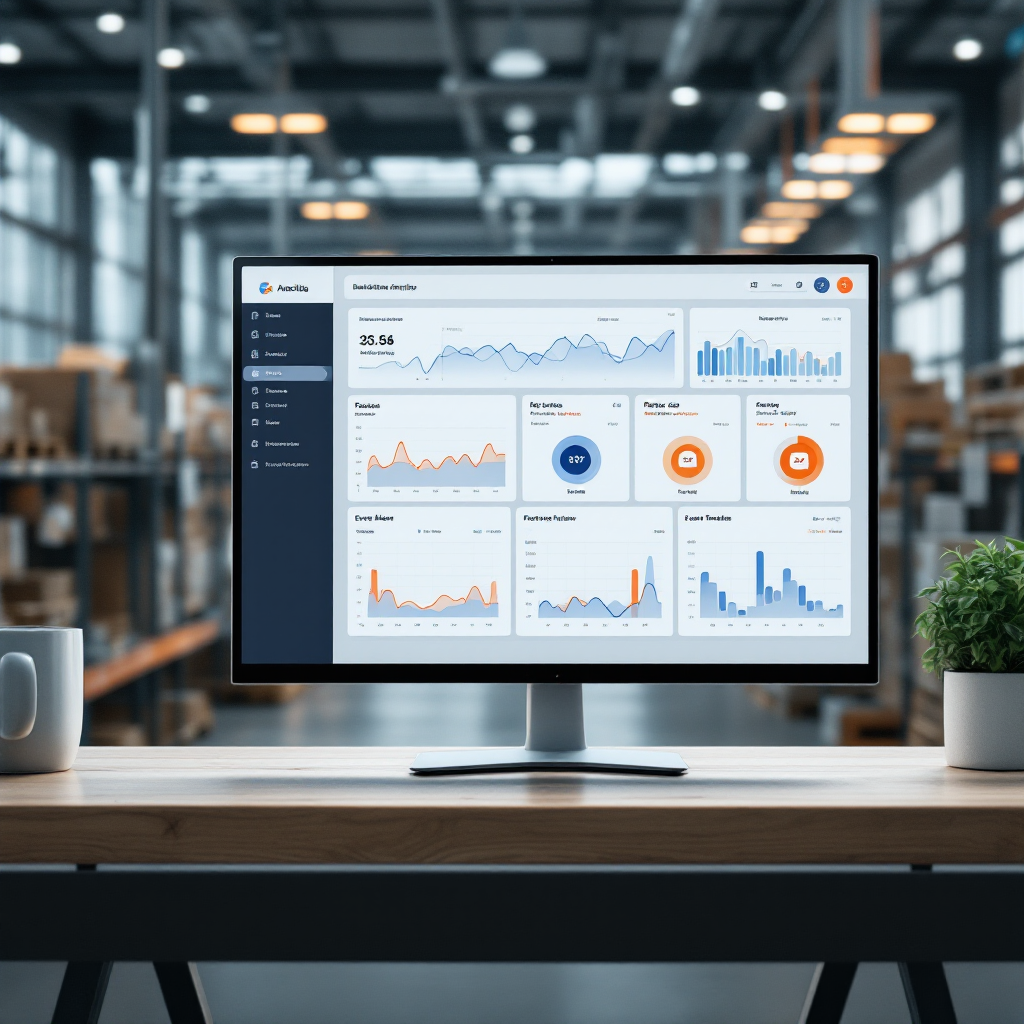
Case studies show rapid improvements after AI roll-out. For instance, a pilot program reported a 75% reduction in welfare violations within six months of implementing real-time alerts and supervisor interventions (pilot program results). The ability to analyze thousands of hours of footage also helped managers find process bottlenecks. As a result, they improved staff training, and this led to sustained reductions in repeat incidents.
Dashboards must provide actionable views. A clean interface shows live alerts, historical trends and root-cause analytics. For example, a dashboard might show spikes in vocalisation tied to a particular workstation. Managers then drill down to video clips, and they can assign corrective tasks. Visionplatform.ai recommends streaming structured events to BI systems so technicians can correlate welfare events with OEE and maintenance logs. In airports, similar practices power process anomaly dashboards process anomaly detection, and the same design patterns work for slaughter sites.
Metrics also support external reporting and regulatory compliance. Standardized reports can demonstrate adherence to the Terrestrial Animal Health Code and local rules. Moreover, maintaining auditable event logs satisfies legal discovery needs. Facilities should create a governance policy that defines thresholds for alerts, response SLAs and review cadences. Then animal welfare teams can focus on continuous improvement. Finally, combining sensor fusion and predictive models allows facilities to forecast stress events and address root causes before harm occurs. This proactive stance improves animal health and welfare while reducing regulatory risk and operational variability.
AI vision within minutes?
With our no-code platform you can just focus on your data, we’ll do the rest
AI Bias and Accuracy: Challenges in Detecting Improper Handling
Bias and accuracy remain core challenges for AI monitoring. Models can produce false positives and false negatives, and each error has consequences. A false positive may unfairly discipline a worker. A false negative may let a serious welfare breach pass unnoticed. To limit both outcomes teams must design for representative training and continuous validation.
Dataset diversity matters. Training data should reflect different facility layouts, camera angles, lighting conditions and animal breeds. Using only a single site’s footage risks overfitting. Therefore teams should pool labeled clips across operations and include edge cases. The learning model must then undergo regular ai training and periodic retraining to account for seasonal and workflow changes. Also, teams should preserve a validation holdout and test on unseen footage before any production rollout.
Explainability and human review reduce harm. When an AI alert appears, the system must include the evidence clip and a rationale for the classification. Human reviewers then confirm the finding and record the decision. Auditable logs should store the original video, model output and reviewer action. This approach matches legal best practice and helps resolve disputes. The Boston University paper highlights that law still evolves around AI users, and that human oversight and clear records decrease legal exposure (negligence and AI’s human users).
Bias can also come from sensor placement. Poor imaging or miscalibrated depth sensors degrade performance. In addition, models trained without audio lose the vocalisation signal and thus miss key distress markers. To mitigate these risks, design teams should run multi-modal tests and measure precision, recall and F1. They should also measure practical impact metrics, such as reductions in violations and change in throughput. Pilot studies and human-in-the-loop validation help refine thresholds. Finally, public reporting of performance statistics and independent audits increase trust and reduce accusations of unfairness.
Future of Slaughterhouse Automation: Integrating AI, Robotics and Regulatory Frameworks
The future blends sensor fusion, edge compute and predictive analytics to improve outcomes. Advances in imaging and on-device inference will let plants run more sophisticated models near the camera. Edge computing reduces latency and keeps data local. Sensor fusion then combines visual, depth and thermal streams to create robust event detection. AI can also feed predictive maintenance systems and predict where welfare issues might arise.
Emerging techniques include improved neural architectures and more efficient neural networks that run on edge GPUs. For certain tasks, convolutional neural network variants still excel at image analysis, and deep learning models can extract pose and stress indicators. Researchers presented early results at several international conference venues, and some journals show cross-disciplinary work in animal science and AI. These developments suggest AI has the potential to forecast risk and recommend interventions.
Regulation will evolve alongside the technology. The EU AI Act and other rules will push vendors to support on-prem options, model transparency and auditable logs. Operators must adopt standards and document the implementation of AI in their operations. Cross-industry collaboration will help. For example, lessons from airport process monitoring apply to meat processing, and internal patterns such as people detection and PPE enforcement are transferable. For more on how vision systems support compliant deployments see our people detection and PPE resources people detection and PPE detection.
Finally, ethical governance remains essential. Standards should include independent review, worker consultation and transparent reporting. Combining those measures with technology could effectively raise standards across the slaughter industry and improve animal health and welfare. Although AI promises new capabilities, facilities must pair those tools with strong process controls and human judgement. That balanced approach will help ensure safer plants, better meat quality and clearer accountability.
FAQ
What is AI detection of improper slaughter line behaviour?
AI detection uses cameras, sensors and models to flag handling that may breach welfare protocols. The system analyses video and sensor streams in real time and issues alerts for human review.
Which sensors are most effective for monitoring handling?
High-speed cameras, depth sensors and thermal imaging work well together. Combining these sensors improves accuracy and reduces false alarms.
Can AI systems operate without sending video to the cloud?
Yes. On-prem and edge processing allow models to run locally and keep footage on-site. This supports GDPR and EU AI Act compliance and reduces data transfer risks.
How accurate are current AI models for detecting improper handling?
Trials have shown detection accuracies above 90% for some behaviours when models use diverse, labelled footage (research). However accuracy depends on sensors, training data and site conditions.
What safeguards prevent unfair penalties for workers?
Systems should include human review of alerts, auditable logs and transparent thresholds. Independent oversight and worker representation in policy design also help protect staff rights.
How do robotic interventions affect throughput?
Short, targeted pauses can prevent longer disruptions by avoiding injuries and equipment damage. Still, designers should test interventions in pilots to measure OEE impact.
Do these systems improve animal welfare?
Yes. Real-time alerts and dashboards enable quick correction of improper handling and have reduced violations in pilots by as much as 75% (pilot data). Continuous tracking supports ongoing improvements.
What role does dataset diversity play?
Diverse datasets reduce bias and improve generalization across sites and lighting conditions. Facilities should use representative labels and retrain models regularly.
Are there legal implications for using AI in slaughterhouses?
Yes. Operators must consider liability, documentation and compliance with local and EU regulations. Keeping auditable logs and human oversight reduces legal risk (legal analysis).
How can I learn more about integrating vision analytics into operations?
Start with a pilot that uses existing CCTV and integrates events into your VMS. See examples of process anomaly detection best practices for operational workflows process anomaly detection. Visionplatform.ai provides on-prem options and event streaming to help operationalize camera data.