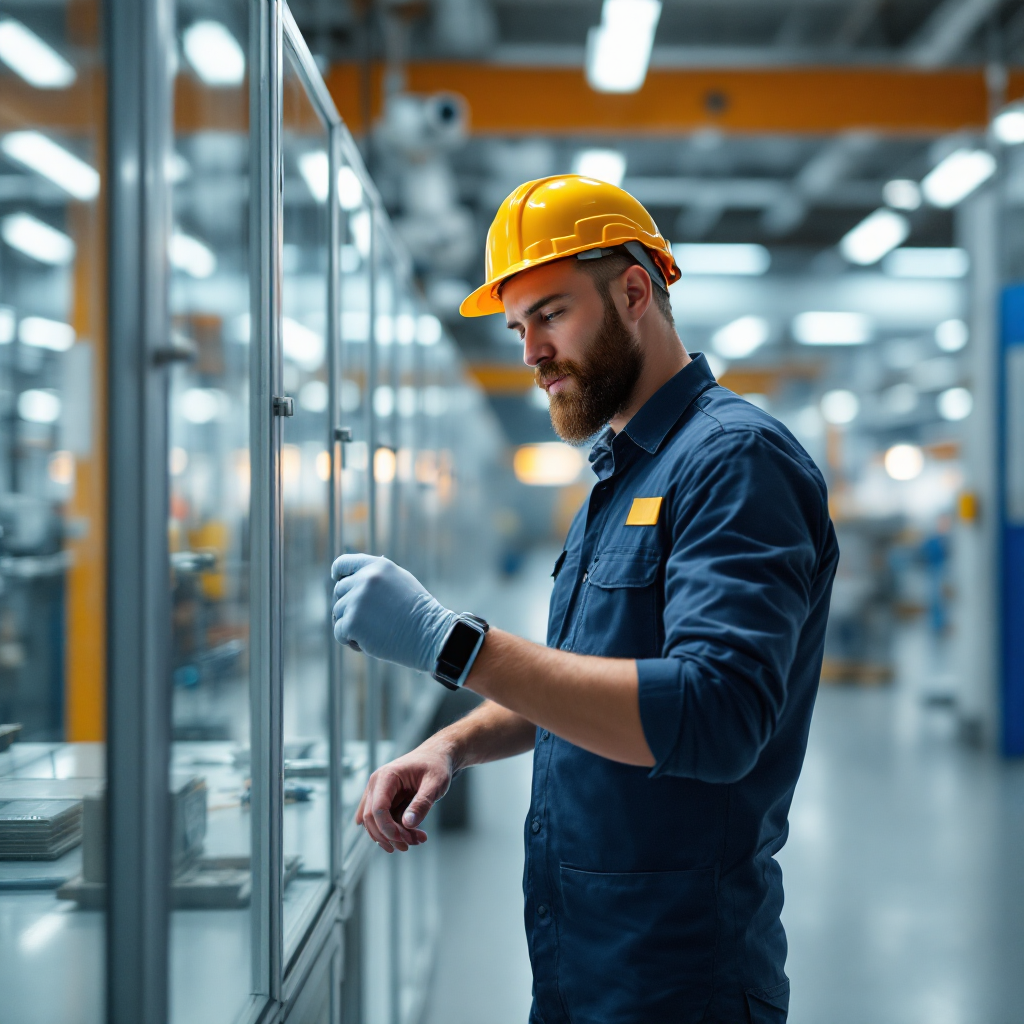
Artificial intelligence in Knife and Tool Handling Safety
AI transforms how companies observe and prevent accidents with knives and hand tools. It uses sensors and vision to watch movements, and it can flag unsafe grips, awkward postures, or excess force before an injury happens. In practice, artificial intelligence processes video and sensor streams to recognise tool types, hand positions, and motion patterns. This capability lets teams move from reactive incident reporting to proactive interventions. For example, deep-learning models running on edge devices detect sharp objects and risky handling quickly, reducing exposure to hazard while keeping video local on edge systems. The role of AI extends beyond detection. It provides analytics that help management prioritise training, refine SOPs, and allocate safety equipment where it matters most.
Edge computing and deep-learning frameworks enable immediate processing of camera feeds. These architectures cut latency, and they support real-time feedback at the point of work. When a system flags an unsafe posture, the worker or supervisor gets an alert and can act at once. This real-time loop improves worker behaviour and reduces accident probability. In some deployments, AI-powered models demonstrate high detection precision in busy, variable lighting environments, which helps meet safety standards for industrial sites even under tough conditions.
Benefits include fewer cuts, lower musculoskeletal disorder claims, and reduced downtime. Studies show wearable and vision systems can cut injury rates significantly; one recent study reported up to a 25% drop in injuries when monitoring and ergonomic feedback worked together with wearable sensors. At the same time, organisations must balance surveillance with privacy and trust. Health and safety teams need transparent rules, clear data governance, and worker involvement to build a strong safety culture. Visionplatform.ai supports on-prem, edge-first deployments so companies keep control of video, comply with the EU AI Act, and still get the proactive insights they need for workplace safety.
AI-powered Safety Monitoring Systems
AI-powered camera, sensor, and wearable setups work together to create a layered safety net. Fixed cameras feed vision models, wearables capture force and motion, and environmental sensors log conditions. A typical installation pairs CCTV with wearable IMUs and pressure sensors. The combined streams feed ai models that detect tool type, grip, and movement. When an algorithm sees an unsafe motion it issues an alert, and the system records event metadata for audits. Many organisations integrate detections into their video management, so alarms appear inside familiar workflows. This approach turns existing VMS cameras into operational sensors and improves return on camera investments.
Detection algorithms range from object detectors to pose estimators. Performance is often measured by mAP scores; surveillance weapon detection work has reported mAP values above 90% for knives and handguns in tests, which gives confidence for deployment in complex scenes (example study). Edge deployment reduces bandwidth and latency, so events stream as structured messages to security stacks and operations dashboards. Systems integrate with VMS platforms and publish via MQTT or webhooks. For site managers who want custom classes, flexible model paths allow training on site footage and help reduce false detections. Visionplatform.ai provides that path: you can pick a model, retrain on local video, and run models on-prem for GDPR and EU AI Act readiness.
Integration improves response and documentation. When an alert is raised, it can trigger visual, audio, or haptic cues and log the event in a safety management platform. That traceability supports safety audits and evidence-led continuous improvement. By making VMS footage actionable, these safety systems bridge security and operations so teams can manage safety and efficiency together.
AI vision within minutes?
With our no-code platform you can just focus on your data, we’ll do the rest
Real-time Hazard Detection and Alerts
Real-time detection matters because seconds count when knives and sharp tools are nearby. AI observes posture, trajectory, and force, and it spots behaviours that precede incidents. Systems use pose estimation to detect lean, wrist rotation, or sustained strain. They also combine force readings from wearables to determine when manual handling load is excessive. When the system identifies a potential hazard it sends an alert to the worker, supervisor, or control room. Alerts may be visual on a screen, audio through headsets, or haptic via a wrist device. These immediate cues let workers adjust posture, pause for rest, or ask for assistance.
Fatigue detection is another key function. Fatigue raises the likelihood of slips, cuts, and dropped tools. AI models trained on motion signatures and time-on-task data can infer fatigue and trigger a recommended break. This real-time safety feedback reduces cumulative strain and lowers the odds of work-related musculoskeletal disorders. Statistics back this up: WMSDs account for about 30% of injury claims in industrial sectors, so addressing fatigue and posture has a clear ROI (NIH study).
Notifications come in tiers. Immediate personal alerts correct behaviour in the moment. Supervisor alerts escalate repeat patterns and allow coaching. System alerts feed into dashboards for long-term analysis and safety audits. These layered alerts support a proactive approach rather than waiting for incidents to occur. Real-time safety can also integrate with access controls, so unauthorised tool use generates a security event. This blend of safety and security helps protect people and assets while supporting operational continuity.
Implement AI and Safety Protocols for Worker Safety
AI tools complement traditional safety training, not replace it. Use technology to reinforce standard operating procedures and to personalise coaching. When an ai system detects repeated poor technique, it can schedule targeted training. That feedback loop improves skill retention and helps workers adopt safer habits. Force-monitoring wearables and posture-correcting feedback loops create continuous learning at the jobsite. These devices record momentary peaks in load and recommend alternative grips or tools. Over time, data-driven coaching changes behaviours and reduces risk.
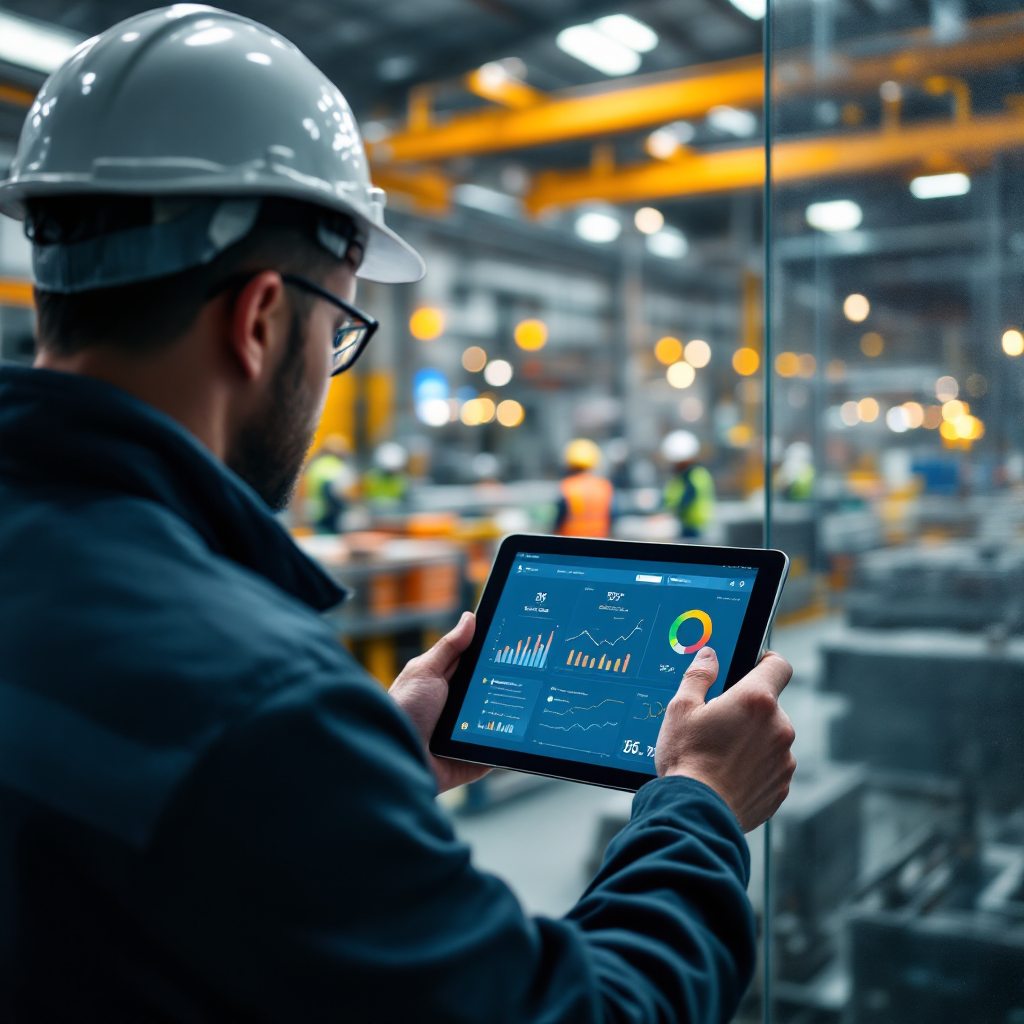
One practical case study pairs wearables, cameras, and updated SOPs. After rollout, the site reported a 25% reduction in injury rates by combining AI alerts with enforced safety protocols and coaching (wearable sensors study). That example shows how implement AI initiatives must include policy, training, and participation by safety teams. To ensure acceptance, involve workers early, explain how data stays local, and show tangible benefits. Using ai for coaching helps make safety personal and measurable.
When you implement ai, align it with health and safety goals and with your safety management processes. A proper rollout includes pilot phases, calibration to site-specific tools, and clear rules on data retention. That way the ai system supports established safety, and it feeds actionable safety insights back into management systems and safety audits. The result is a practical, scalable advance in worker safety and site safety performance.
AI vision within minutes?
With our no-code platform you can just focus on your data, we’ll do the rest
Managing Safety Compliance and Standards
Meeting safety standards and compliance requires clear documentation and traceability. AI can log events, create audit trails, and support safety audits. These records help meet occupational safety and health requirements and demonstrate due diligence. For instance, automated logs from vision analytics can be used in safety inspections and to substantiate corrective actions after incidents. The digital record simplifies management systems and strengthens governance.
Data privacy and compliance are central. To maintain worker trust and comply with GDPR and the EU AI Act, many organisations choose on-prem or edge-only processing. That architecture limits data leaving the site while still enabling powerful detection. Visionplatform.ai emphasises customer-controlled datasets and auditable event logs to help organisations meet compliance with safety and EU AI Act obligations. Transparent policies, clear consent, and worker involvement reduce resistance and improve adoption.
Beyond privacy, align implementations with the Occupational Safety and Health Administration and other local regulations. Integrate ai-powered safety monitoring with existing safety management systems and safety protocols to avoid conflicts. Use automated reporting to feed incident investigations and to guide training investments. That approach ensures safety and security remain complementary, and it strengthens the safety culture by making safety actions visible and measurable.
Responsible AI Adoption and Overcoming Safety Challenges
Deploying AI in live environments raises technical and ethical safety challenges. Environmental variability such as changing lighting, occlusions, and tool similarity can reduce detection accuracy. Adaptive AI methods and site-specific model tuning address many of those issues. Regular revalidation and edge retraining improve robustness. For fairness and transparency, follow responsible ai principles: document model behaviour, log decision paths, and involve safety officers and workers in reviews.
Practically, teams should map potential safety hazards before rollout and then phase deployments. Start with low-risk areas and iterate. Establish governance, and provide channels for feedback. Use AI to enhance safety by identifying potential problems early and by surfacing patterns that humans might miss. Combining predictive safety models with human oversight creates a hybrid system that leverages strengths from both. This monitoring and proactive stance reduces incidents and lets safety teams focus on complex interventions.
Looking ahead, predictive ergonomics and generative ai will offer new options for simulations and training. Organisations will need to balance innovation with regulation and with the need to ensure that safety procedures remain human-centred. When done well, ai-driven safety forms part of a broader safety technology ecosystem that includes safety equipment, training, and continuous improvement. Careful design and clear governance help ensure that AI can help deliver measurable improvements while respecting worker rights and site safety requirements.
FAQ
What is AI for knife and tool handling safety monitoring?
AI for knife and tool handling safety monitoring uses sensors, cameras, and models to detect risky movements and tool use. It provides alerts and data to help prevent cuts and musculoskeletal injuries and to support safety management decisions.
How accurate are AI detection systems for knives and tools?
Accuracy varies by model and environment, but recent research shows mAP scores above 90% in some surveillance weapon detection tests (study). Site-specific tuning and edge deployment improve real-world performance.
Can AI systems reduce workplace injury rates?
Yes. Studies combining wearables and vision systems report reductions in injury rates, with one study showing up to a 25% drop when monitoring and ergonomic feedback were used together (research). Alerts and coaching drive behaviour change.
How do systems notify workers about unsafe actions?
Notifications include visual alerts on displays, audio prompts, and haptic feedback through wearables. Supervisor escalation and dashboard alerts help ensure patterns are addressed over time.
Will deploying AI violate worker privacy?
Not necessarily. Using edge processing and on-prem storage keeps video and safety data local and reduces privacy risk. Clear policies, consent, and worker involvement are essential to maintain trust and legal compliance.
How do AI tools fit with traditional safety training?
AI tools complement traditional safety training by offering real-time coaching and data-driven follow-up. They reinforce SOPs and provide personalised feedback that supports continuous learning.
What regulatory standards apply to this technology?
Regulations include local occupational safety rules and data-protection laws like GDPR and the EU AI Act. Systems should produce auditable logs to support safety audits and compliance with safety standards.
Can small sites afford AI safety monitoring?
Costs vary, but many solutions scale down to a few cameras or wearables and run on edge devices to lower ongoing costs. Pilots can demonstrate ROI through reduced incidents and downtime.
How do I choose a vendor for AI safety monitoring?
Pick vendors that support on-prem processing, flexible model strategies, and integrations with your VMS. Also verify their approach to data ownership and compliance. Visionplatform.ai, for example, focuses on customer control and edge-first deployments.
Where can I learn more about vision-based safety capabilities?
Look for vendor resources and technical papers on weapon detection, PPE detection, and fall detection to understand capabilities and integration points. Useful internal resources include pages on weapon detection, PPE detection, and fall detection which explain practical uses of camera analytics.